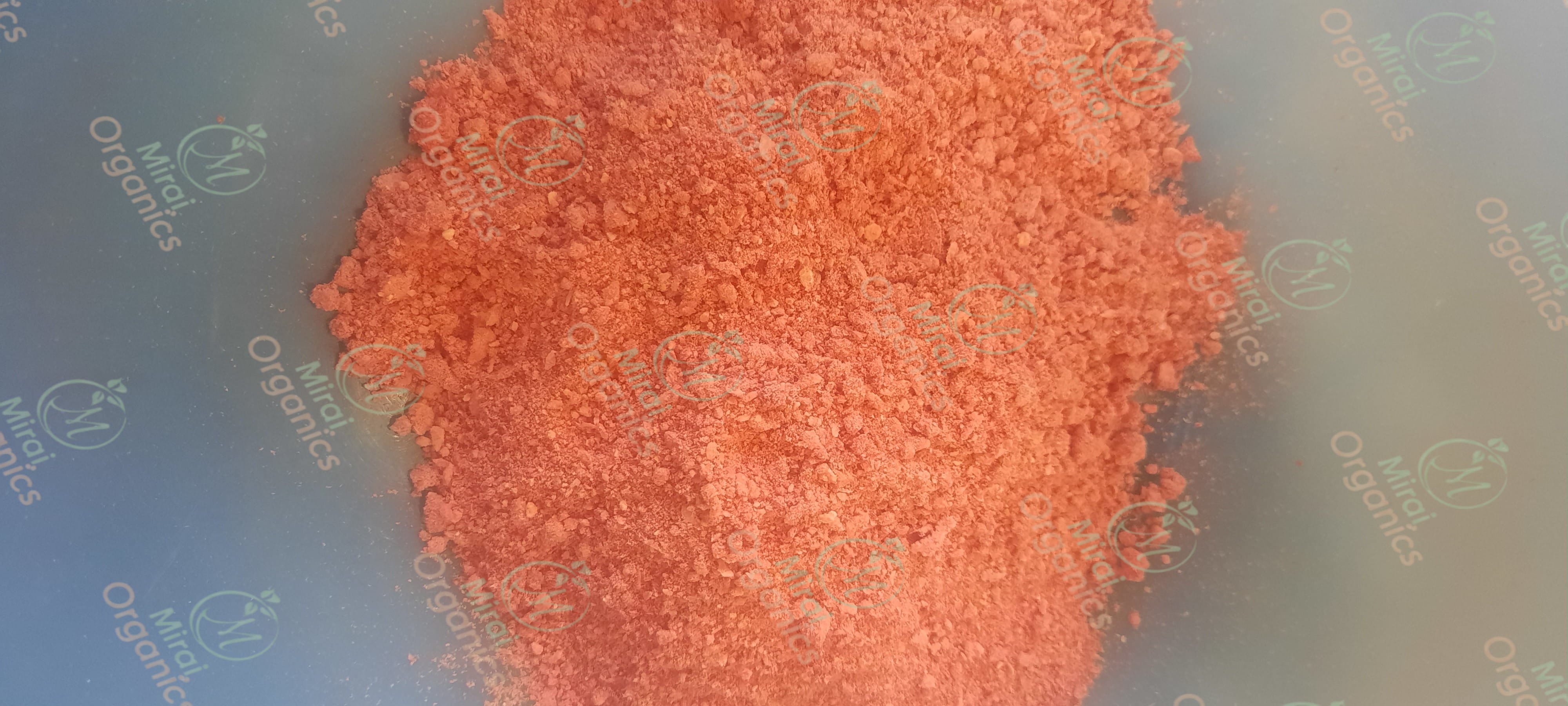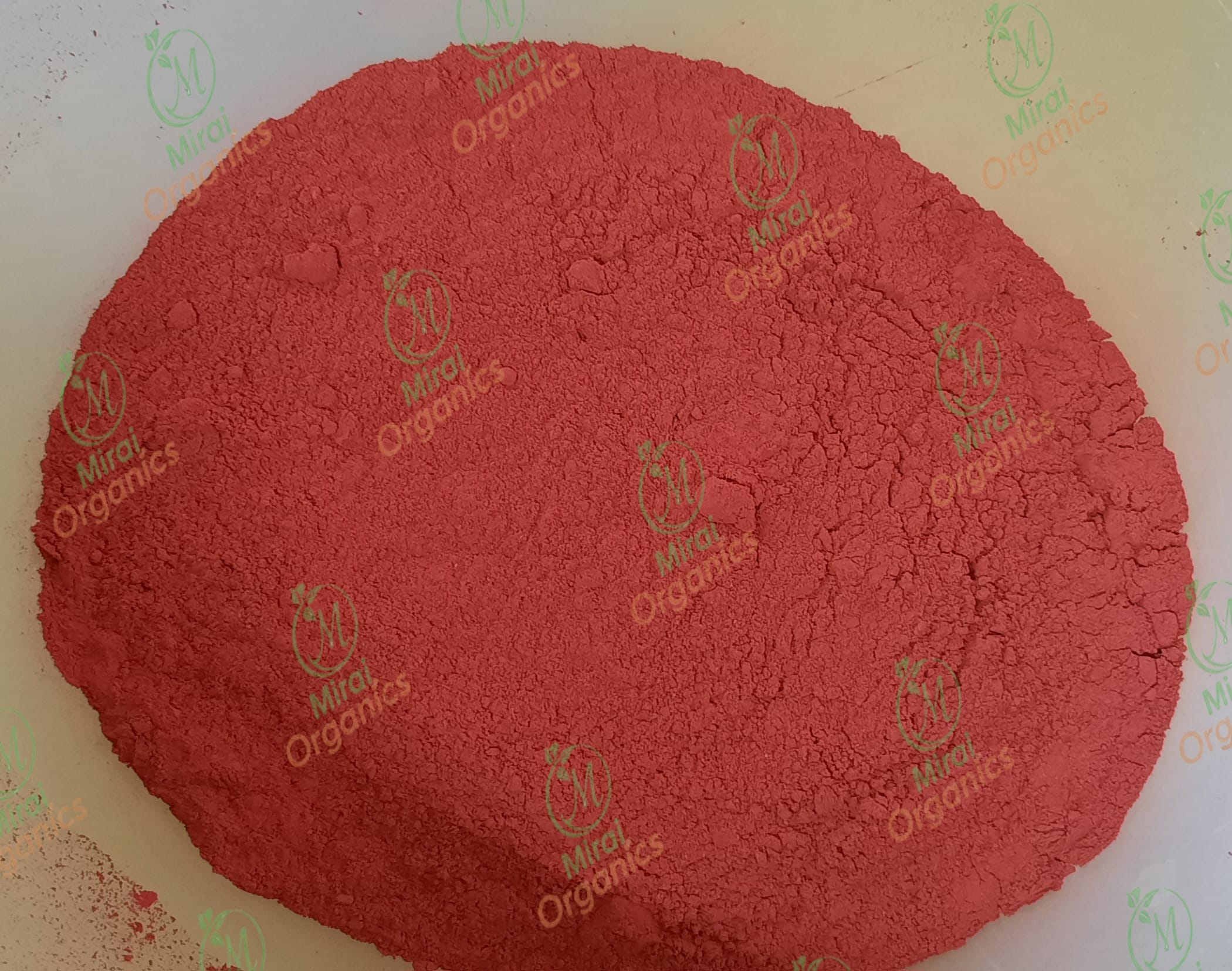
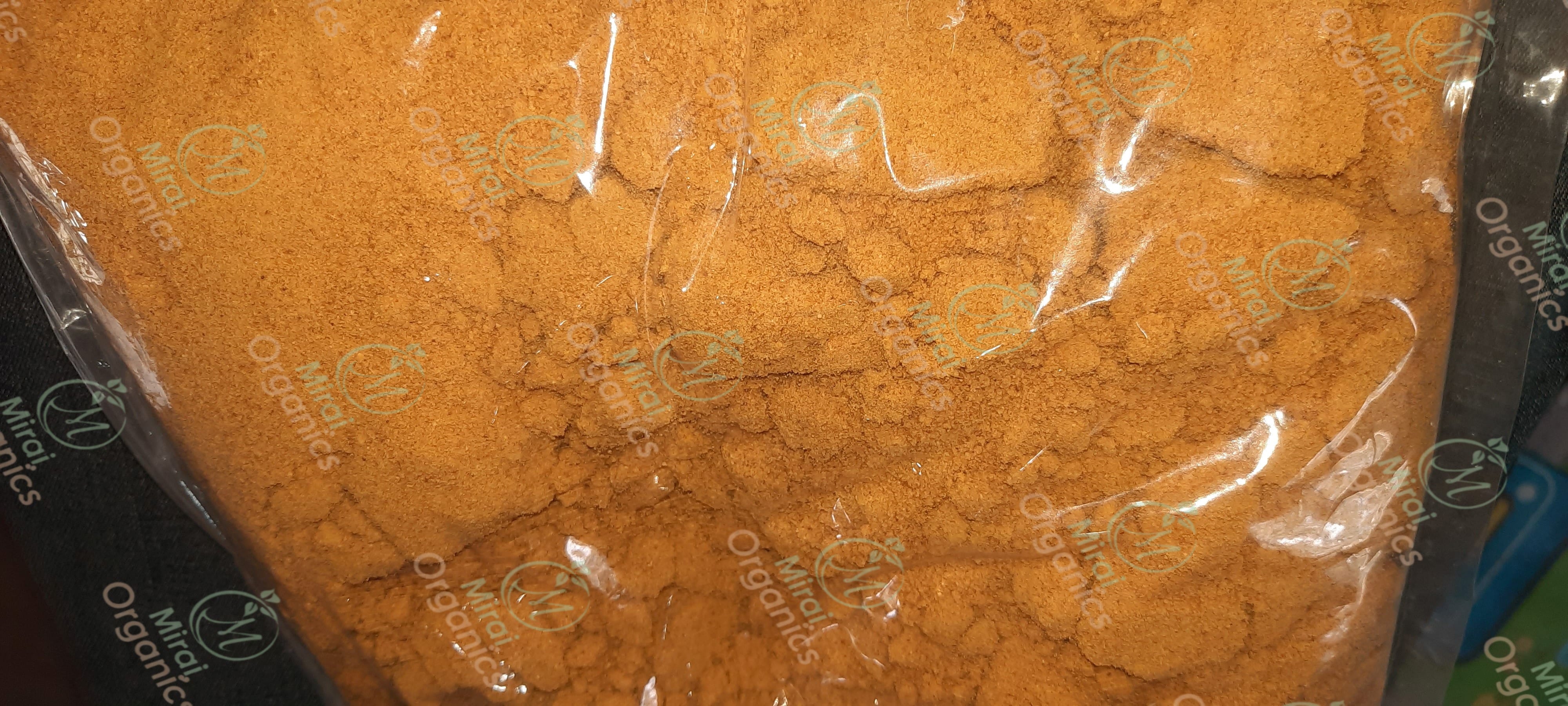
Open a pack of pure fruit powder, find lumps, and the first thought is usually: has it gone bad? Often, no. Lumps are something you should expect from a powder made with nothing added. It helps to understand why they form and how to tell them apart from the signs of a real problem.
Why pure powders clump
Fruit and vegetable powders are hygroscopic, which means they naturally attract moisture from the surrounding air. Fruit powders are especially prone to this because of their natural sugars. As the particle surfaces take up a little moisture they become slightly sticky and cling together, and over time those clusters firm up into lumps.
Why many other powders don't
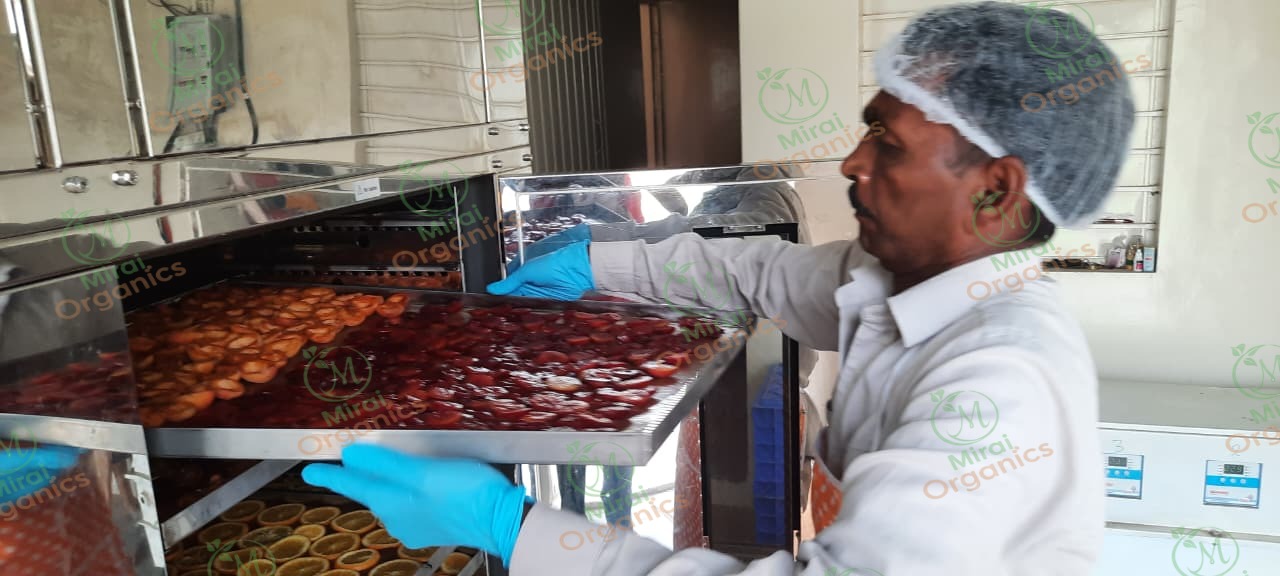
Many commercial powders stay free-flowing because of what else is in the pack. Anti-caking agents coat the particles and keep them apart, and carriers such as maltodextrin dilute the sticky fruit solids. Both are legitimate food ingredients, but neither is fruit. Our powders are dried at a low 50–55°C and made with zero maltodextrin, zero anti-caking agents and zero additives, so what you're buying is the fruit or vegetable alone. Occasional clumping is the trade-off for that shorter ingredient list.
Harmless lump or real problem?
| What you notice | What it probably means | What to do |
|---|---|---|
| Soft lumps that crumble with light pressure | Normal clumping | Break up or sieve, then use as usual |
| Firm lumps, but normal colour and aroma | More moisture contact, often from a pack left open | Sieve or mill it, test a small batch, and tighten your storage |
| Wet, sticky or paste-like patches | Significant moisture has entered | Stop and check it before use, then contact your supplier |
| Visible mould, a musty or fermented smell, or insects | Possible spoilage or infestation | Don't use it. Keep the pack and lot details, and contact your supplier |
This table is a practical starting point, not a food safety test. If you have any doubt about a lot, don't put it into production. Hold it and contact us with the lot details and photos.
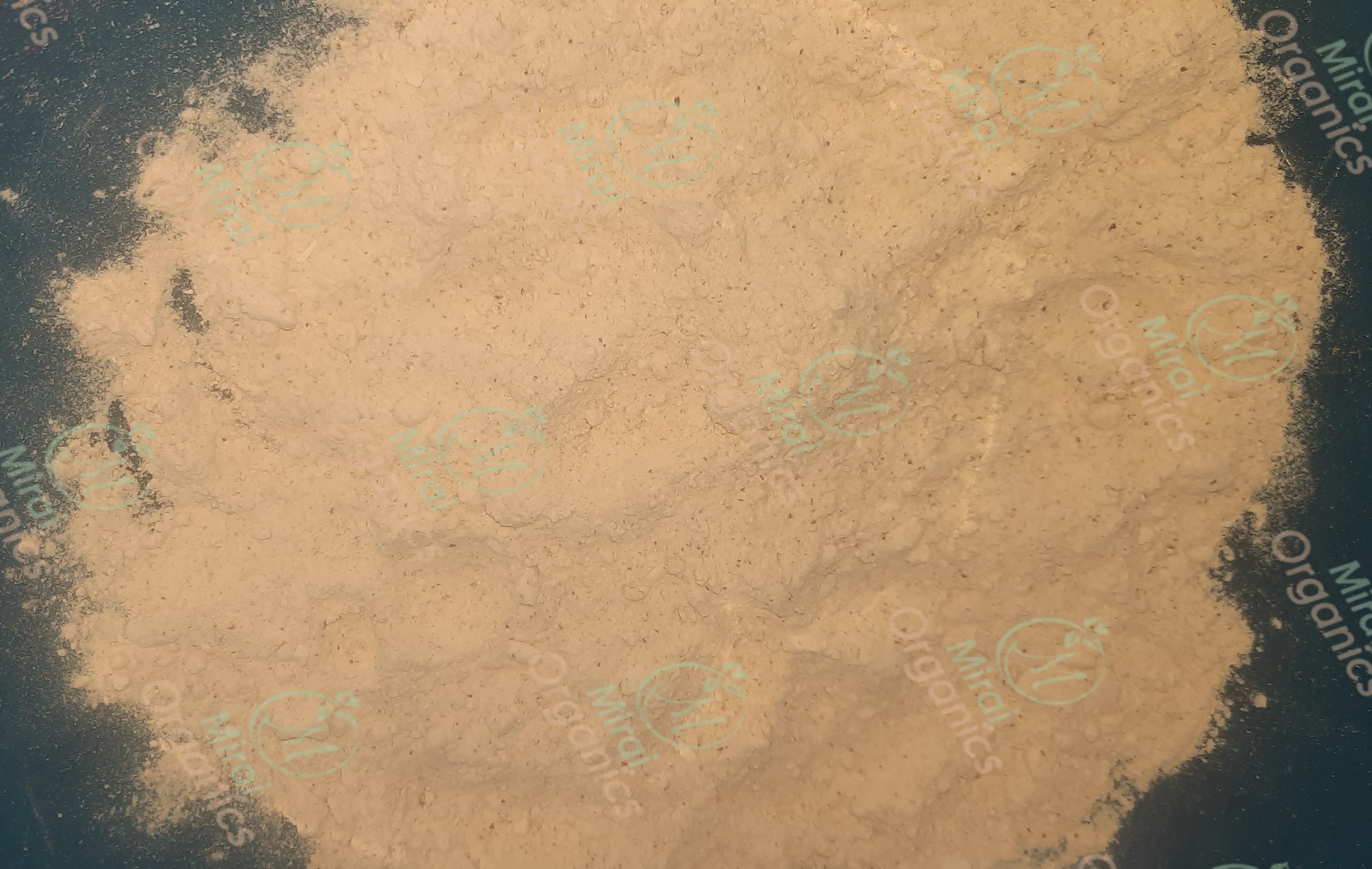
How to keep powder free-flowing
- Keep it sealed until you need it. Our powders ship in airtight, 3-layer packaging that protects against moisture and light.
- Open packs in the driest area you have, not beside steam, kettles or washing areas.
- Use a completely dry scoop, as even a damp spoon can introduce moisture.
- Press out excess air and reseal immediately, or move the remainder to an airtight food-grade container.
- Store it off the floor and away from walls in a cool, dry, dark place, and take extra care during the monsoon.
- If you've kept it somewhere cold, let the sealed pack reach room temperature before opening so that condensation doesn't form on the powder.
- Buy pack sizes that match your usage. If you use small amounts, several 1 Kg packs stay fresher than one 10 Kg pack opened repeatedly.
Handling lumps in production
For most bakery, beverage and seasoning work, sieving before weighing is enough. It's also a good idea to make sieving a standard step for these powders, so that dosing stays consistent whether or not a particular pack has clumped. For beverages, disperse the powder into a little liquid first and then add it to the batch. If your process absolutely requires a free-flowing powder, such as high-speed automatic dosing, test it on your line before committing to a large order, and tell us about your requirement upfront.
Frequently Asked Questions
Will lumps change the taste or nutrition of the powder?
Light clumping is a physical change caused by moisture and particles sticking together. It doesn't by itself mean the flavour has changed, but sustained moisture exposure can affect quality, so correct the storage conditions as soon as you notice it.
Can you add an anti-caking agent if I need one?
Our standard powders are additive-free. If your process needs something different, tell us what you're making and we'll discuss what's possible. Remember that any additive would need to be declared on your label.
How long does the powder last?
Our fruit and vegetable powders have a shelf life of up to 12 months when stored as instructed, and some product listings state their own shelf life. Please confirm it for the specific product you're buying.
Looking for powders with nothing added?
Tell us which fruit or vegetable powders you need and how you'll use them, and we'll share samples and a current quote.
Get a Powder Quote