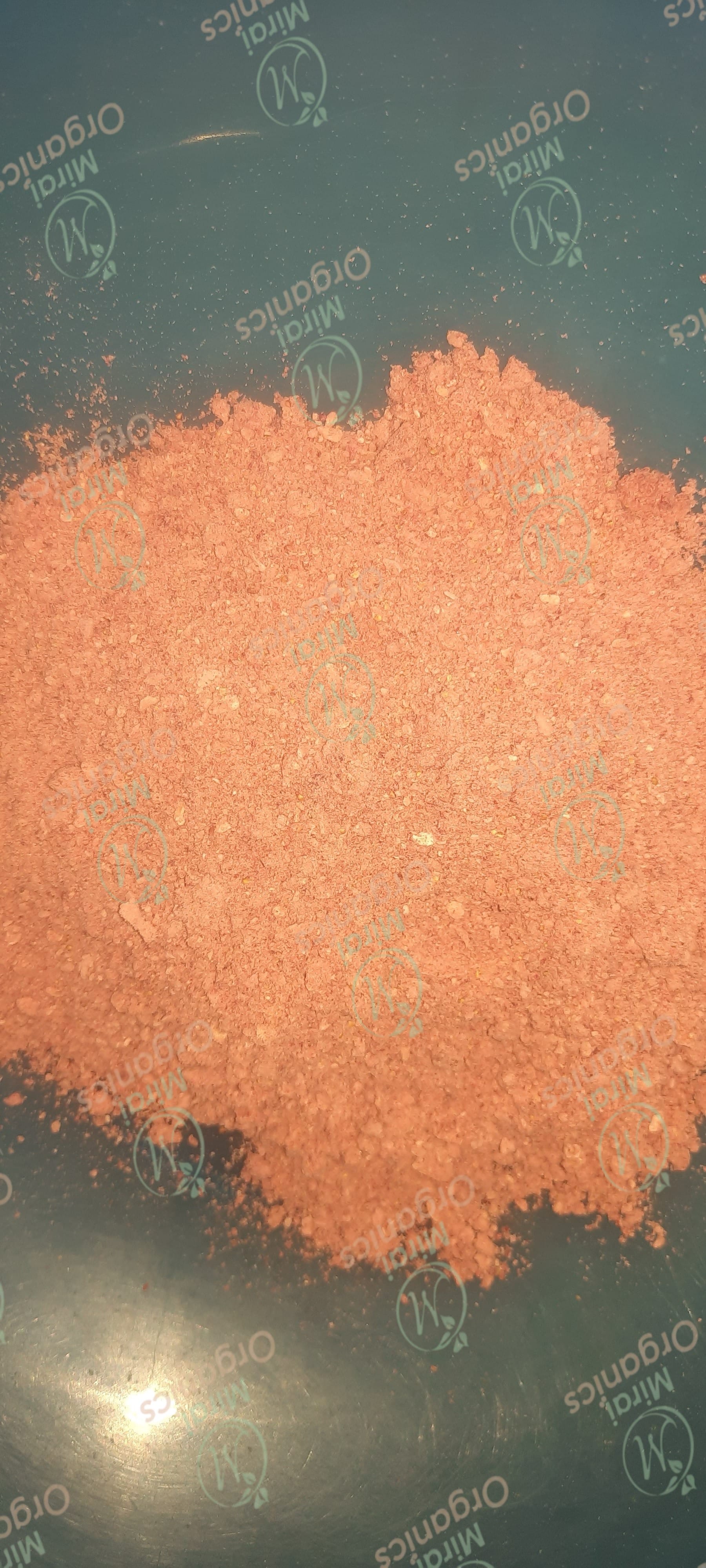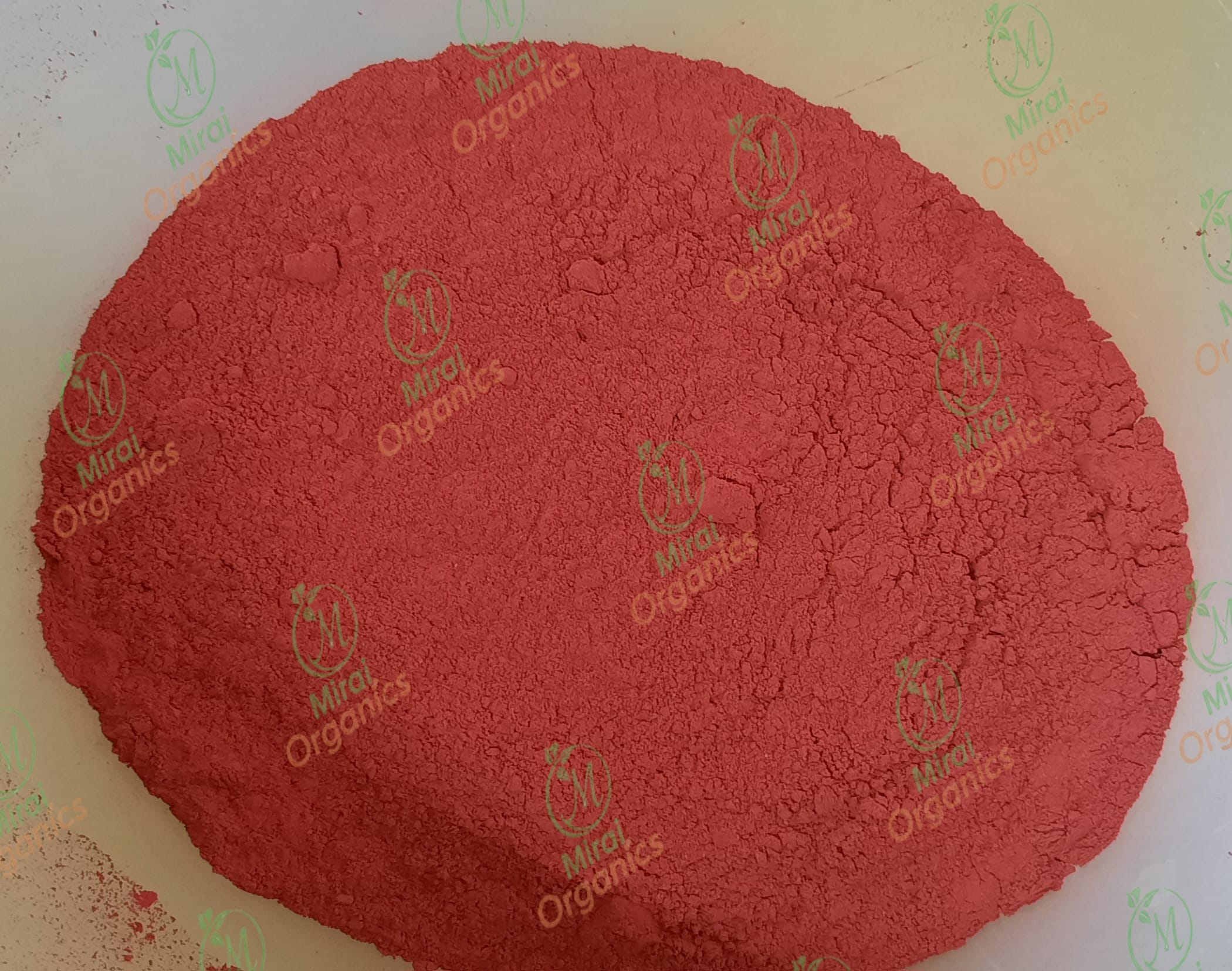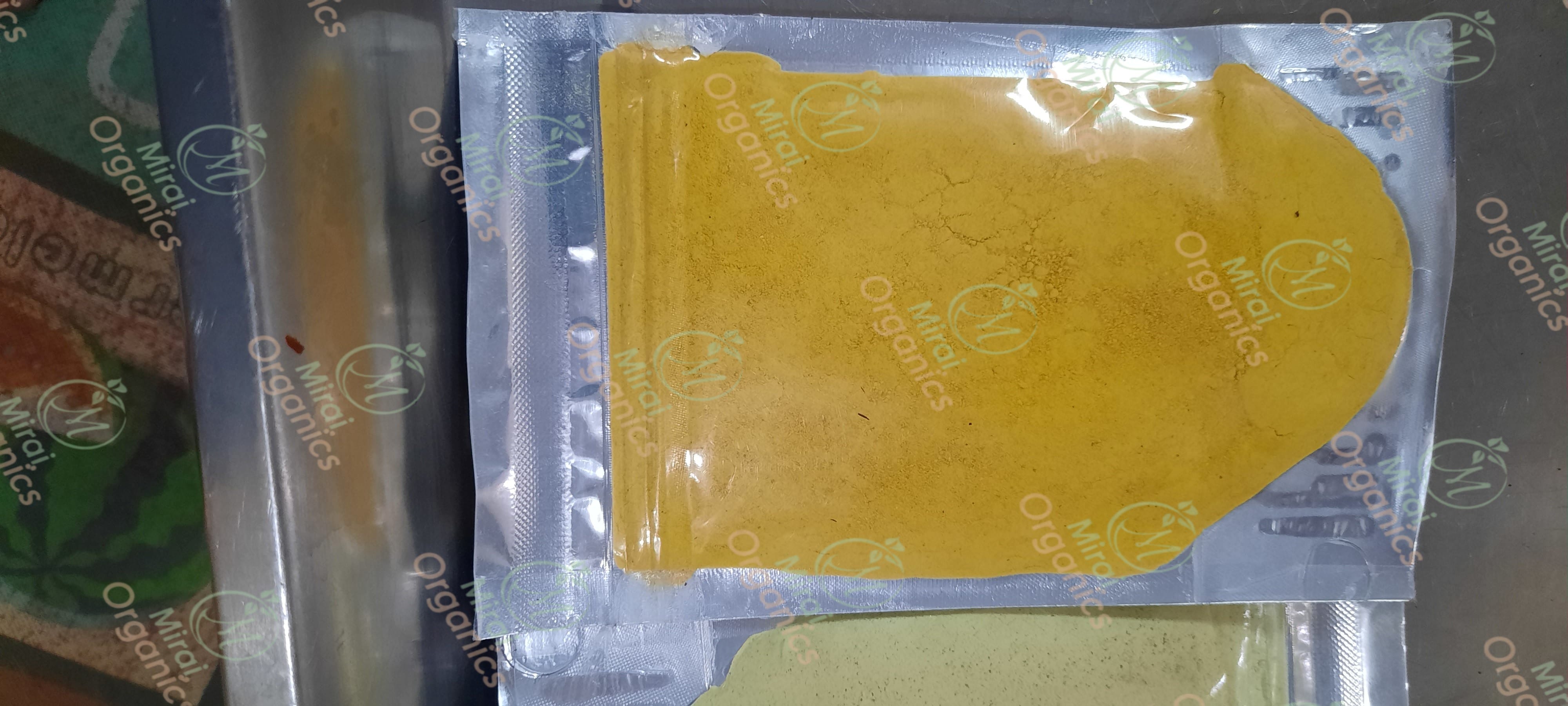
Carrot and beetroot powder are the two most-requested items in our entire vegetable-powder range, and almost every enquiry has the same backstory: a manufacturer reformulating away from a synthetic dye (Red 40, beta-carotene colourant, Allura Red) toward something they can put a vegetable name on the label instead of an E-number.
Why manufacturers switch to vegetable-derived colour
Clean-label pressure is the main driver — a consumer reading "beetroot powder" on an ingredient list reacts differently than reading "E162" or "carmine," even when the functional role is identical: colour. The secondary benefit is real nutrition riding along with the colour — carrot powder carries beta-carotene, beetroot carries iron and nitrates — which a synthetic dye obviously can't offer.
| Carrot Powder | Beetroot Powder | |
|---|---|---|
| Colour delivered | Warm orange | Deep red-maroon |
| Bulk price | ₹200/Kg | ₹200/Kg |
| MOQ | 10 Kg | 10 Kg |
| Packaging | 1 / 5 / 10 Kg | 1 / 5 / 10 Kg |
| Pairs well with | Pasta, soups, snack seasoning, pet treats | Juices, health drinks, pasta, bakery, capsules |
Flake/slice vs powder — picking the right form
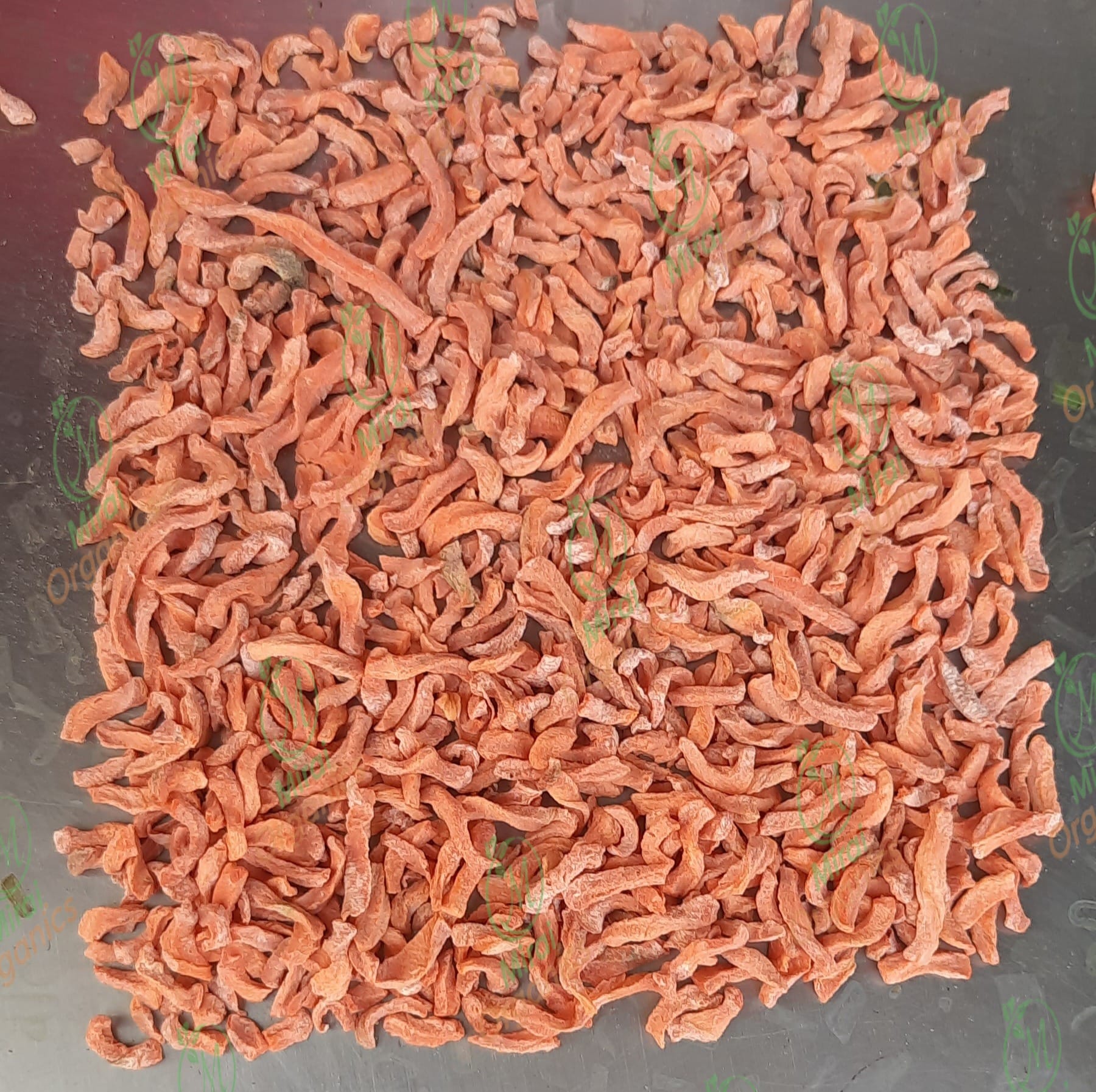
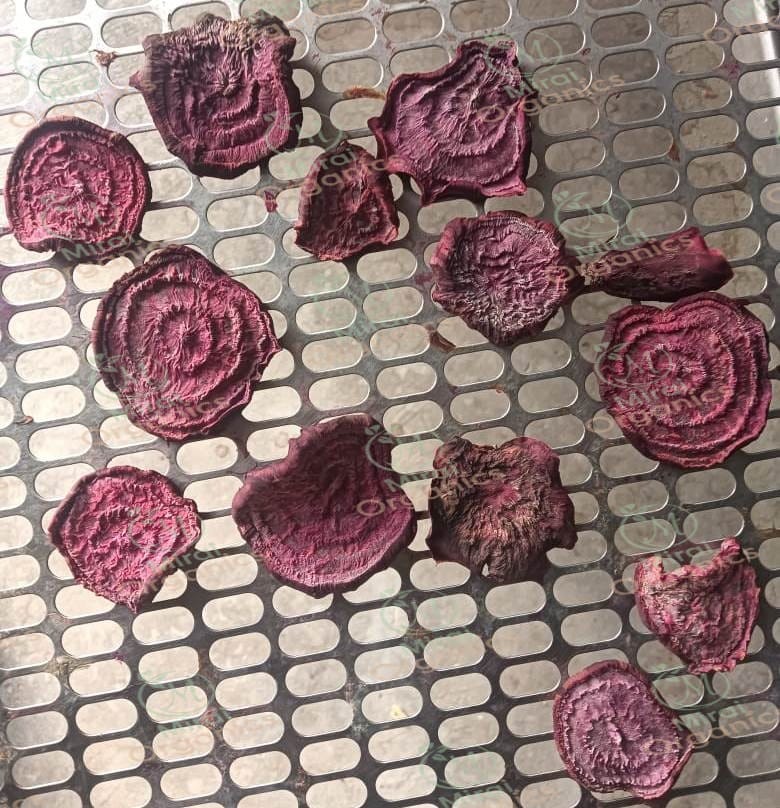
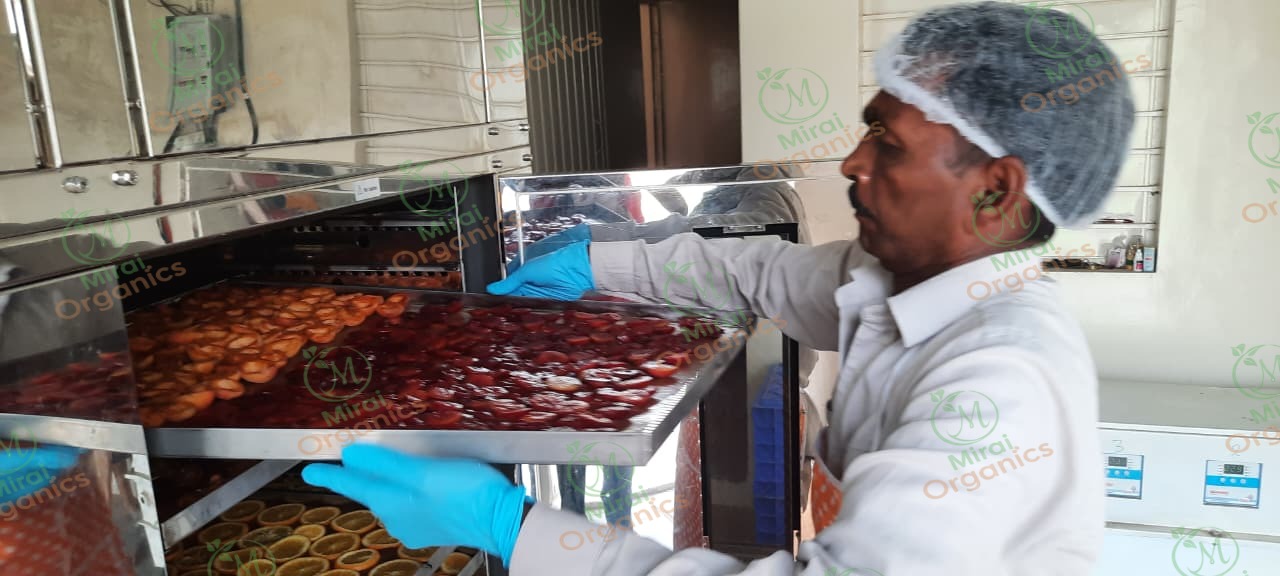
Whole dried carrot flakes and beetroot slices (our dehydrated-vegetables range) suit applications where some texture and visible vegetable piece is fine — soups, snack mixes, pet treats. The milled powder is what you want when colour needs to distribute evenly through a liquid or batter — pasta dough, baked goods, beverages — where a flake would just sit unevenly rather than tint the whole mix.
Where these colourants actually get used
- Naturally coloured pasta and noodles
- Soup bases and instant-soup seasoning
- Baked goods needing a natural orange or red tint
- Juices, smoothies and functional health drinks (beetroot, for its nitrate and iron content as well as colour)
- Capsule and tablet colouring for nutraceutical brands
- Pet food and treats — both powders double as a natural colour and nutrition add-in for pet-food manufacturers
A sourcing checklist before you order
- 1Ask for the moisture % — vegetable powders above roughly 7–8% moisture risk clumping and shorter effective shelf life.
- 2If a supplier states a purity percentage (e.g. "95% purity" on beetroot), ask what accounts for the remaining fraction — it should be clearly explained, not just a marketing number.
- 3Confirm sourcing consistency — "Pan India" sourcing can mean colour varies batch to batch depending on region and season; ask if a single-region lot is available if colour consistency is critical for your product.
- 4Request FSSAI certification and a current batch sample before a bulk PO.
Frequently Asked Questions
How much carrot or beetroot powder is typically used for colouring?
Dosing depends heavily on your base and target shade — most manufacturers start with a small trial batch (0.5–2% of formulation weight is a common starting range) and adjust from there rather than relying on a fixed ratio.
Does beetroot powder taste earthy in the final product?
At colouring-level dosing, flavour impact is usually minimal, but beetroot does carry a distinct earthy note at higher concentrations — worth testing at your actual target dose rather than assuming it's flavour-neutral.
What's the shelf life of these powders?
Both hold well for up to 12 months stored airtight, away from moisture and light, consistent with our full vegetable-powder range.
Reformulating away from synthetic colour?
Get a trial-size sample of carrot or beetroot powder to test your target shade before committing to a bulk order.
Get a Sample on WhatsApp