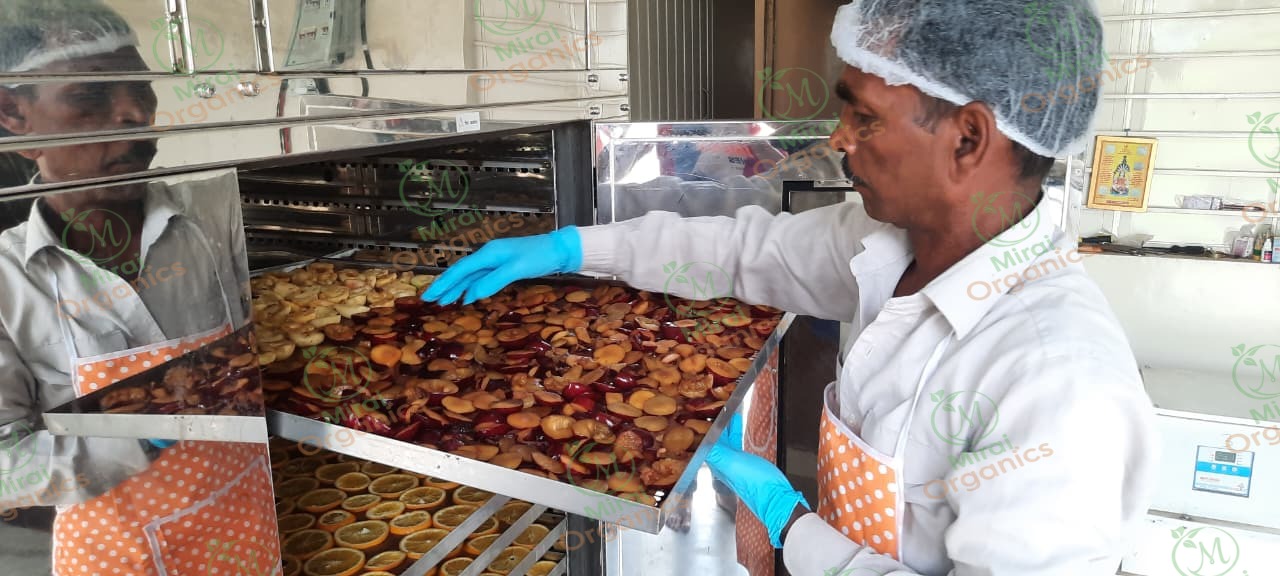
Most RFQs we get for dried orange slices ask about price first and moisture content never. That's backwards — moisture is the number that decides whether your shipment is still sellable in three months, or growing mould in a humid warehouse. This is the spec sheet we'd want if we were buying, not selling.
Why moisture % is the number that matters most
Dried orange slices are considered shelf-stable once moisture drops to around 6–8%. Above roughly 10–11%, water activity is high enough for mould and yeast to establish, especially once the pack is opened and re-exposed to humid air — a real risk for anything shipped during the monsoon months or stored in non-climate-controlled warehouses. Moisture is measured with a halogen or infrared moisture analyser at the time of drying, and a credible supplier will show you that reading on request, not just a shelf-life claim on a product sheet.
Grading: A, B and reject
| Grade | Appearance | Typical use |
|---|---|---|
| A | Uniform ring, bright natural colour, intact edges | Premium tea blends, garnish, retail-visible packs |
| B | Some broken rings or edge browning, colour slightly uneven | Bakery inclusions, bulk tea blending, cost-down formulations |
| Reject | Scorched, discoloured or over-dried | Not sold as slices — typically reworked into powder |
Packaging formats and what they actually protect against
- Standard LDPE / zipper pouch — fine for short-haul, domestic, low-humidity routes.
- Multi-layer foil laminate — a real moisture and light barrier, worth the extra cost for export shipments or long transit times.
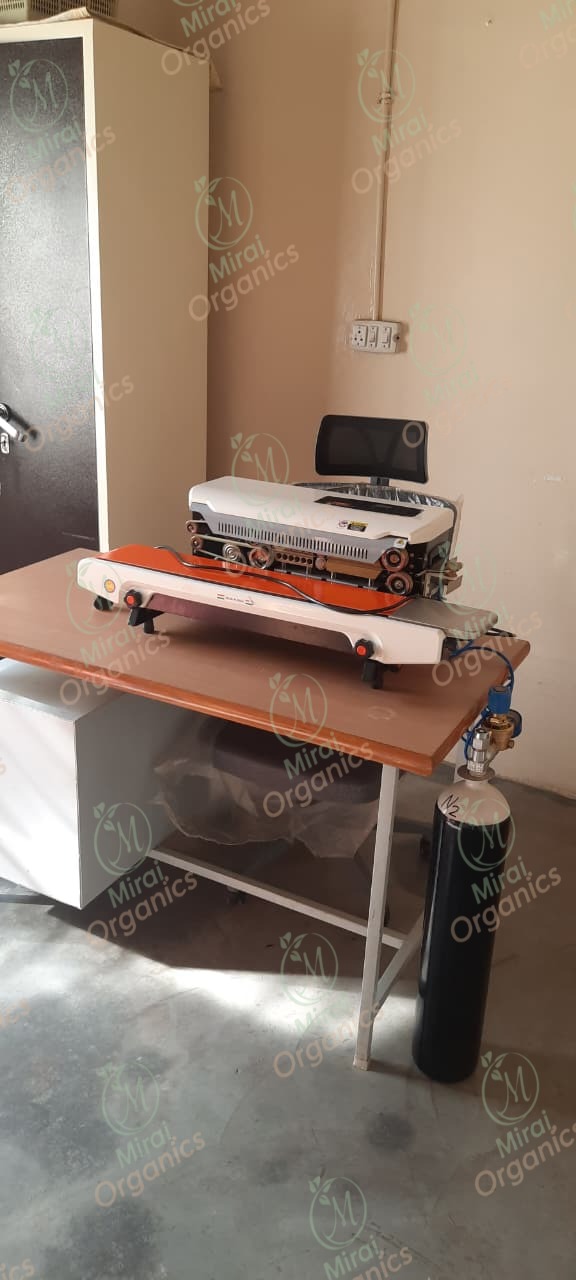
- Nitrogen-flush and heat sealing — displaces oxygen inside the pack before sealing, which slows oxidative colour loss on long-storage or private-label runs.
- Bulk cartons (5 Kg / 10 Kg) with desiccant sachets — standard for container-load export orders.
Shelf life by packaging format
| Format | Typical shelf life | Storage note |
|---|---|---|
| LDPE pouch, domestic | 12 months | Cool, dry storage; reseal after each use |
| Multi-layer foil laminate | 18–24 months | Suitable for humid climates and longer transit |
| Nitrogen-flushed, heat-sealed | Up to 24 months | Best colour retention for private-label and export |
A six-point check before you sign off a PO
- 1Ask for the moisture % reading from the batch you'll actually receive, not a generic spec sheet.
- 2Confirm the grade (A/B) you're being quoted — mixed grades sold as "Grade A" is a common shortcut.
- 3Match the packaging format to your shipping route — don't pay for foil lamination you don't need on a short domestic haul, and don't skip it on a 3-week export transit.
- 4Request the FSSAI license number and verify it's active.
- 5Ask whether the batch is sulphur-treated — relevant if your end-formulation needs to claim "sulphite-free."
- 6Get a signed sample approval in writing before a repeat bulk order — colour and cut size can drift batch to batch if the supplier isn't tightly controlling the drying cycle.
Frequently Asked Questions
What moisture % should I insist on for dried orange slices?
6–8% is the standard shelf-stable range. Anything consistently above 10% is a spoilage risk, particularly for humid-climate storage or export transit.
Does Grade B mean lower quality fruit?
No — it usually just means some rings broke during handling or drying, or colour is slightly less uniform. Nutritionally it's the same fruit, which is why it's a good fit for bakery inclusions where appearance matters less than in a visible retail pack.
Is nitrogen flushing necessary for domestic orders?
Not usually. It earns its cost on long-storage runs, private-label packs that need to hold colour for a long shelf window, or export orders with long transit times.
Need a batch moisture report before you order?
We'll share the current batch's moisture reading, grade and FSSAI details along with your quote — ask us directly on WhatsApp.
Request Spec Sheet on WhatsApp/Orange 4.jpg)
/Kinnu.jpg)