
/Jamun sl.jpg)
Jamun (Syzygium cumini, also called Java plum or Indian blackberry) shows up in a lot of Ayurvedic and nutraceutical product briefs because of its traditional association with blood-sugar support — but sourcing it fresh is genuinely hard. The season runs roughly May to June, the fruit bruises and spoils within days, and very little of it reaches formulators outside a narrow geography and window. Dried jamun is how most brands actually solve this.
Why dried is the practical sourcing format, not a compromise
Because fresh jamun has such a short shelf life and season, a formulator who needs it available year-round for ongoing production has no real alternative to a dried format. Dehydrating locks in the fruit's compounds at a controlled 50–55°C, and — done without added sugar — keeps the naturally tart, slightly astringent profile that matters for diabetic-support and Ayurvedic formulations, where added sugar would work against the product's own positioning.
| Format | Bulk price | Certification | Typical use |
|---|---|---|---|
| Dehydrated jamun slice | ₹1,500/Kg | FSSAI, no added sugar | Ayurvedic/nutraceutical formulation, direct use |
| Jamun powder | ₹1,500/Kg | No preservatives, 18-month shelf life | Capsules, health-mix powders, functional beverages |
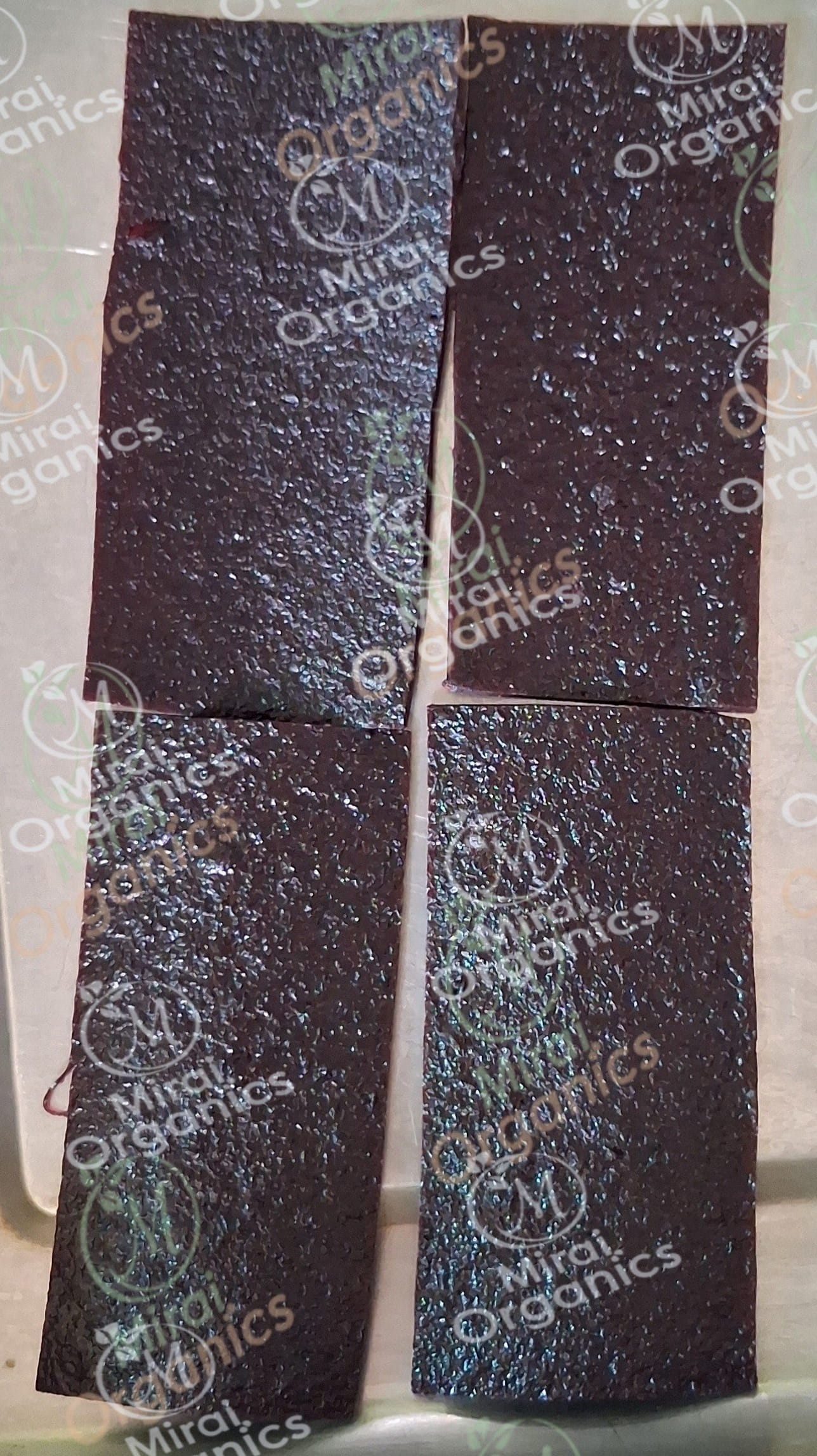
| Jamun fruit roll | ₹1,200/Kg | 89% real fruit, no additives | Snacking format |
What to insist on when sourcing jamun for a formulation
- 1No added sugar — ask directly, since jamun's natural tartness makes it a common candidate for sugar-masking in lower-cost supply chains, which undermines a diabetic-support positioning entirely.
- 2FSSAI certification and a current lab report, particularly if the end product makes any health claim.
- 3Seed removed and confirmed — relevant for both texture and any extract-processing step downstream.
- 4Batch traceability back to the harvest season, since jamun doesn't have the extended multi-season availability that citrus or apple does.
Common end uses
- Ayurvedic blood-sugar-support formulations (capsules, churna, powders)
- Functional beverage and health-mix powders
- Natural food colourant — jamun's deep purple carries well into formulations needing a clean-label colour
- Snacking formats (fruit roll) for a mass-market, less clinical positioning
Frequently Asked Questions
Is dried jamun as effective as fresh for nutraceutical use?
Controlled low-temperature drying is specifically chosen to preserve the compounds jamun is valued for, rather than degrading them with high heat. For a formulation that needs jamun available outside its narrow fresh season, dried is the standard sourcing format across the industry, not a lesser substitute.
Is sugar added to dried jamun?
Not in ours — zero added sugar, which matters specifically for diabetic-support and Ayurvedic positioning.
What's the MOQ for bulk jamun orders?
10 Kg across slice and powder formats.
Formulating with jamun for a health or Ayurvedic product?
Ask us for FSSAI documentation, a lab report and a sample batch before you commit to a production run.
Get Jamun Pricing on WhatsApp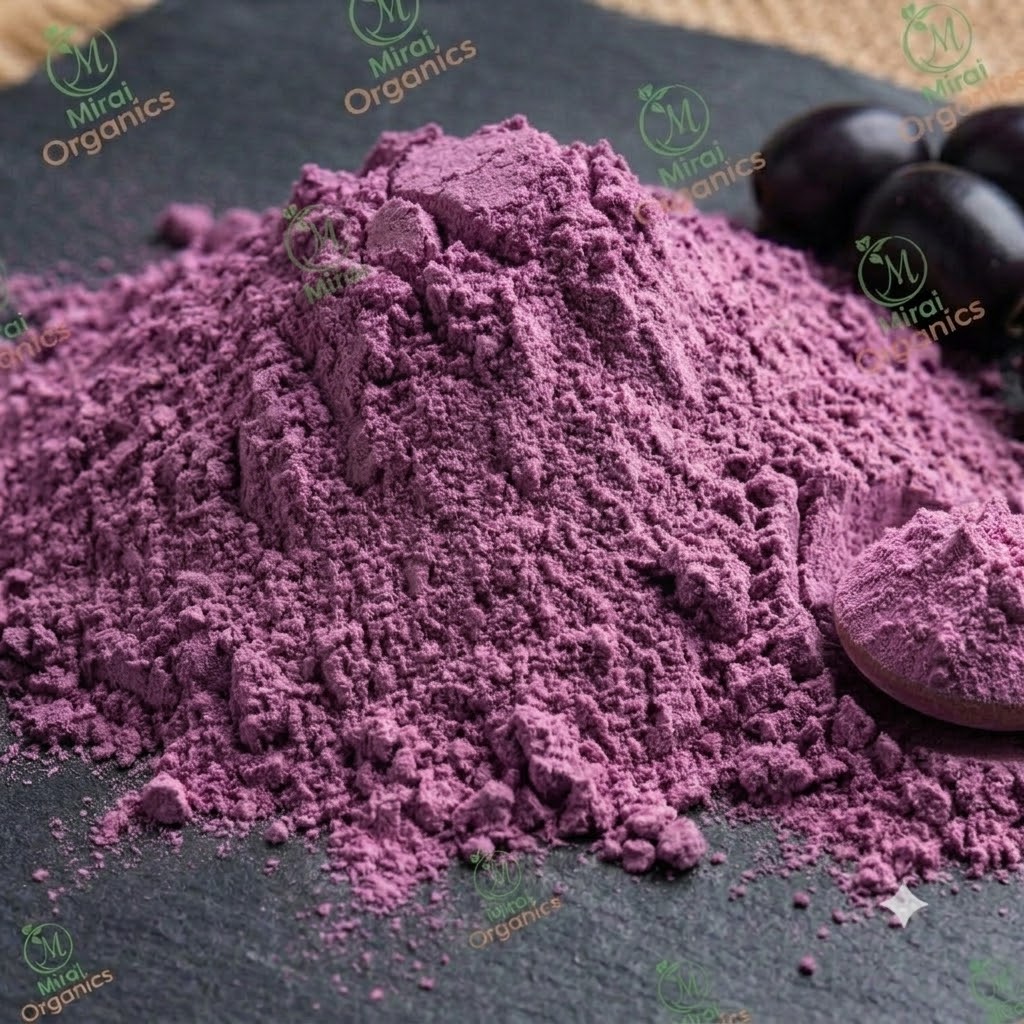
/Mango-Sl1.jpg)